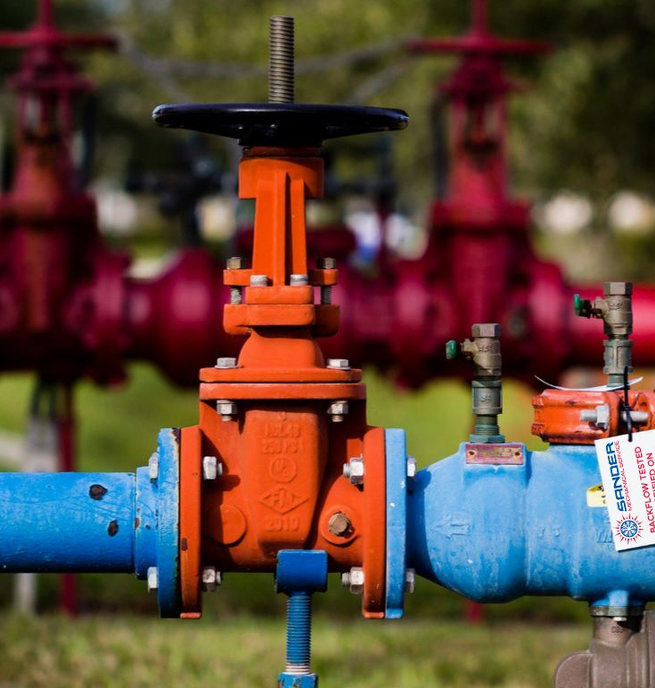
When it comes to maintaining the integrity of your water supply, a reliable backflow prevention system is paramount. Over time, components of these systems may wear out or become obsolete, necessitating a thorough and timely replacement. At Triangle Backflow Heating & Air, we specialize in professional and efficient backflow replacement services to safeguard your water quality and maintain compliance with regulatory standards.
Why Consider Backflow Replacement?
Aging Infrastructure
If your current backflow preventer is aging or outdated, replacement becomes crucial to ensure the continued effectiveness of the system.
Compliance Requirements
Regulatory standards for backflow prevention may evolve, and staying compliant is essential. Upgrading to the latest technology ensures that your system meets or exceeds current regulations.
Safety Assurance
Backflow incidents can pose serious health risks by contaminating the potable water supply. Replacing outdated components helps prevent potential hazards and ensures the safety of your water.
Our Backflow Replacement Process
Thorough Assessment: Our certified technicians conduct a comprehensive assessment of your existing backflow prevention system, identifying any signs of wear, damage, or inefficiency.
Customized Solutions: Based on the assessment, we tailor replacement solutions to meet the specific needs of your property. Our goal is to enhance the reliability and performance of your backflow prevention system.
Quality Replacement Parts: We use high-quality, industry-approved replacement parts to guarantee the longevity and effectiveness of the new backflow preventer.
Expert Installation: Our experienced team ensures the seamless installation of the replacement system, adhering to the highest industry standards and local regulations.
Testing and Certification: Following installation, we conduct rigorous testing to certify that the new backflow preventer functions optimally. This step ensures that your property continues to meet regulatory requirements.