
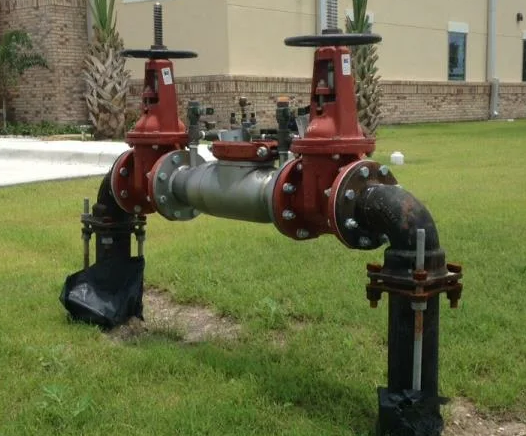
Backflow Testing Raleigh
When it comes to Backflow Testing in Raleigh NC, Triangle Backflow, Heating & Air is your trusted partner in the state of NC. Our licensed, certified, and highly trained technicians are equipped to handle any backflow testing and repair issues. With years of collective experience, our technicians undergo regular refresher testing and certification classes to stay updated.
We conduct thorough backflow testing in Raleigh NC, adhering to state and city requirements. Our annual equipment servicing and calibration ensure accurate results, meeting the standards set by accepted testing procedures. At Triangle Backflow, Heating & Air, we understand that the data generated during field tests provides a snapshot of the assembly’s current performance.
We take pride in our stellar reputation, earned through years of providing exceptional backflow testing services in Raleigh NC. As a fully licensed, insured, and bonded company, we guarantee our work, ensuring your backflow equipment functions optimally throughout the year. Your satisfaction is our top priority, and we offer FREE estimates for your convenience.
The Importance of Backflow Testing in Raleigh, NC
Imagine turning on your tap, and instead of fresh, clean water, you’re greeted with a murky, foul-smelling liquid. Not the best way to start your day, right? As unpleasant as it sounds, this scenario is risky if backflow occurs in your water system. Backflow is the reversal of water flow that could introduce contaminants into your clean water supply.
Backflow testing is essential in Raleigh, NC, where water quality is a top priority. This process ensures that your water remains uncontaminated and safe for consumption. By conducting regular backflow testing, you’re not just protecting your household but also contributing to the community’s overall health. Raleigh’s regulatory bodies mandate periodic backflow testing to prevent waterborne diseases and maintain public safety.
Features of Our Backflow Testing in Raleigh, NC
- Comprehensive Inspection: Our backflow testing in Raleigh, NC, involves thoroughly inspecting your water system. We check for potential contamination points and ensure that your backflow prevention devices function correctly. Our detailed approach helps identify and mitigate risks before they become problems.
- Certified Technicians: At Triangle Backflow, Heating & Air, our certified technicians go through extensive training and have the knowledge and skills to conduct precise backflow testing.
- State-of-the-Art Equipment: We utilize the most recent technology and equipment for backflow testing in Raleigh, NC. This ensures accuracy and reliability in our testing process, providing peace of mind knowing that your water system is in good hands.
- Detailed Reporting: After completing the backflow testing, we provide a comprehensive report detailing our findings and any necessary corrective actions. This transparency helps you understand the condition of your water system and any steps required to maintain its integrity.
- Scheduled Reminders: We know life can get busy, so we offer scheduled reminders for your next backflow testing appointment. This service ensures you comply with local regulations and keep your water system safe without remembering the testing dates.
Benefits of Our Backflow Testing in Raleigh, NC
- Health and Safety: Regular backflow testing significantly reduces the chance of contaminants entering your water supply. Ensuring your backflow prevention devices are correctly functioning protects your household and the broader community from potential health hazards.
- Compliance with Regulations: Raleigh, NC, has stringent regulations regarding water safety. Our backflow testing services ensure you remain compliant with these local laws, avoiding any legal complications or fines arising from non-compliance.
- Cost Savings: Early detection of backflow issues can save you substantial repair costs. Our backflow testing helps identify potential problems before they escalate, saving you from expensive emergency repairs and possible water damage.
- Peace of Mind: Knowing your safe and uncontaminated water supplies provides unparalleled peace of mind. Our meticulous testing and maintenance services ensure you can trust the water from your taps.
- Environmental Protection: Preventing backflow protects your household and contributes to the overall health of Raleigh’s water system. By ensuring clean water, you play a part in environmental conservation and protecting local wildlife.
Why Choose Triangle Backflow, Heating & Air for Backflow Testing in Raleigh, NC?
- Expertise and Experience: With years of experience in the field, Triangle Backflow, Heating & Air has become a trusted name for backflow testing in Raleigh, NC. Our deep understanding of local water systems and regulations ensures you receive expert service tailored to your needs.
- Customer-Centric Approach: From our friendly technicians to responsive customer service, we’re here to make your experience as smooth and pleasant as possible.
- Competitive Pricing: Quality service doesn’t have to come with a hefty price tag. We offer competitive pricing for our backflow testing services, ensuring you receive exceptional value without compromising quality.
- Prompt and Reliable Service: When you schedule a backflow test with us, you can count on us to show up on time and complete the job efficiently.
- Ongoing Support: Our relationship with you doesn’t end after the testing is done. We provide ongoing support as well as maintenance services to ensure your water system remains in top condition. Have questions or concerns? Our team is always just a phone call away.
- Tailored Solutions: We understand that every water system is unique. That’s why we provide tailored solutions to meet your needs.
With Triangle Backflow, Heating & Air, you can trust that your backflow testing in Raleigh, NC, is handled with a commitment to excellence. Let us help you safeguard your water and enjoy the peace of mind of knowing your home and community are protected.