
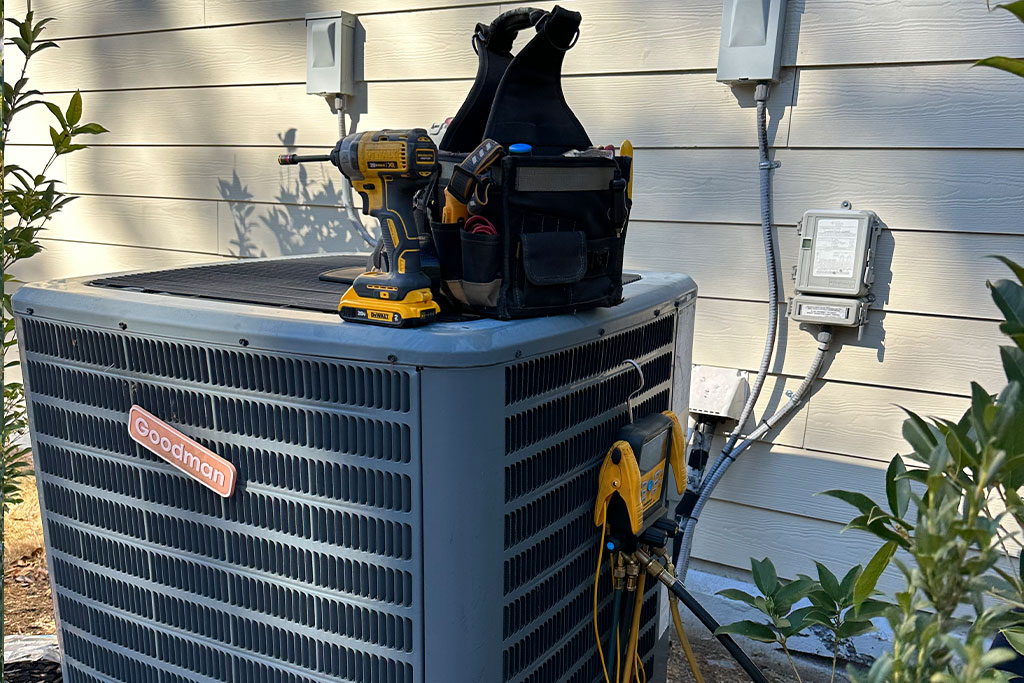
Expert HVAC Services in Raleigh, NC – Triangle Backflow
When it comes to maintaining a comfortable indoor environment, having a reliable heating and air system is non-negotiable. At Triangle Backflow, Heating & Air, we specialize in providing top-notch HVAC service in Raleigh, NC tailored to meet the unique needs of both residential and commercial clients. Whether you need routine maintenance, a new installation, or an urgent repair, our team is here to ensure your system runs efficiently year-round.
Reliable HVAC Repair Services in Raleigh, NC
Few things are as frustrating as a malfunctioning HVAC system during extreme weather. That’s why we offer dependable HVAC repair in Raleigh, NC, addressing issues quickly to restore your comfort. Our technicians are equipped to diagnose and resolve problems with furnaces, air conditioners, heat pumps, and ductwork.
Have you ever wondered, “Why does my HVAC system keep breaking down?” Often, the answer lies in overlooked maintenance or aging components. At Triangle Backflow, we don’t just fix the problem; we identify underlying causes to prevent future breakdowns. Moreover, for those unexpected times, we provide 24/7 HVAC repair, ensuring help is always just a call away.
Efficient HVAC Replacement Services for Your Home or Business
Sometimes, repairs aren’t enough to keep your system running optimally. If your HVAC system is over 10–15 years old, frequently breaking down, or failing to heat or cool effectively, it might be time for an upgrade. At Triangle Backflow, we provide comprehensive HVAC replacement service designed to enhance your energy efficiency and indoor air quality.
Why consider a replacement? Modern HVAC systems are more energy-efficient, saving you money on utility bills and reducing your carbon footprint. Our team will guide you through the process, from selecting the right system to ensuring seamless installation. We make upgrading your HVAC stress-free and straightforward.
24/7 Emergency HVAC Services You Can Trust
Life happens, and so do HVAC emergencies. Whether your air conditioner fails on a sweltering summer night or your furnace stops working during a winter freeze, Triangle Backflow is here to help. Our emergency HVAC service is available 24/7, providing fast, reliable solutions when you need them most.
What sets our emergency services apart? Our skilled technicians arrive promptly, fully equipped to handle any situation. Plus, we keep our communication transparent, so you’ll never be left guessing about costs or timelines. When you call us for 24/7 HVAC repair in Raleigh, NC, you can count on professionalism and peace of mind.
Why Choose Triangle Backflow for Your HVAC Needs?
At Triangle Backflow, Heating & Air, we pride ourselves on delivering exceptional service with a personal touch. Here’s why we’re the preferred choice for HVAC in Raleigh, NC:
- Certified Technicians with Years of Experience: Our team consists of highly trained and certified professionals who stay updated on the latest HVAC technologies and techniques. Whether it’s a minor repair or a complex installation, we handle every job with precision and expertise.
- Prompt and Reliable Emergency HVAC Repairs: We understand the urgency of an HVAC emergency, which is why our emergency HVAC service response times are among the fastest in the area. When you call Triangle Backflow, you’re not just getting a repair; you’re getting a long-term solution that restores comfort and functionality.
- High-Quality HVAC Installations and Replacements: A great HVAC system starts with expert installation. We take pride in our meticulous attention to detail, ensuring your HVAC installation service meets manufacturer specifications and your specific needs. Plus, our replacement services are designed to minimize disruptions to your routine.
At Triangle Backflow, Heating & Air, we’re more than just an HVAC company – we’re your partners in comfort and efficiency. From routine maintenance to emergency repairs and replacements, our commitment to excellence sets us apart. Ready to experience unparalleled service? Contact us today to schedule an appointment or request a quote for any of your HVAC needs!