
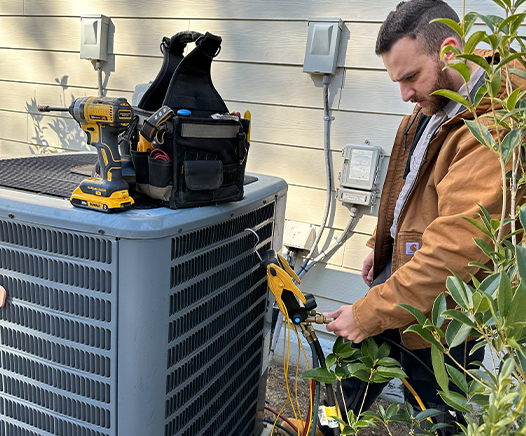
The Significance of Heating Maintenance in Raleigh
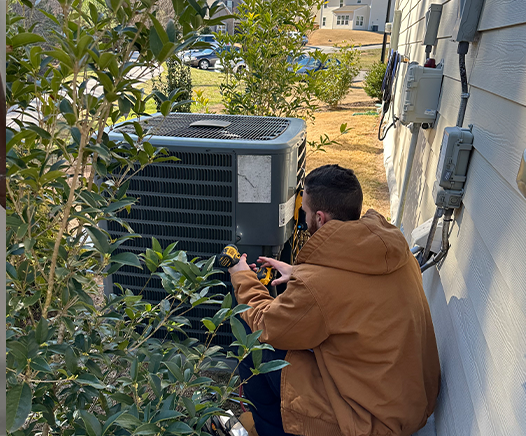 Living in Raleigh, NC, we know how crucial it is to have a reliable heating system during those chilly winter months. But did you know that regular heating maintenance is the secret sauce to keeping your system running smoothly and efficiently? Yep, it’s true! Heating maintenance ensures your system isn’t just working but working at its best, saving you from those unexpected and costly breakdowns. Let’s dive into why maintaining your heating system is necessary in Raleigh, NC.
Features of Our Heating Maintenance in Raleigh, NC
At Triangle Backflow, Heating & Air, we take heating maintenance seriously. Our comprehensive services are designed to keep your system in top-notch condition, ensuring you stay cozy all winter. Here are some standout features of our heating maintenance in Raleigh, NC:
- Thorough System Inspection: Our technicians meticulously inspect your heating system. We check everything from the thermostat to the heat exchanger, ensuring each component is in perfect working order. This thorough check helps us catch any potential issues before they become significant problems.
- Cleaning and Tune-Up: Dust and debris can accumulate in your heating system over time, reducing efficiency and potentially causing damage. We complete cleaning and tune-up, removing any buildup and optimizing your system’s performance. This step is fundamental for maintaining the longevity of your heating system.
- Safety Checks: Safety is our top priority. Our heating maintenance service in Raleigh includes comprehensive safety checks to ensure your system operates safely. We check for carbon monoxide leaks, inspect the ventilation system, and ensure all safety controls function correctly. Your peace of mind is our goal.
- Filter Replacement: A clean filter is vital for efficient heating. During our maintenance visit, we replace your system’s filter, ensuring clean air circulation and optimal performance. This simple step can significantly affect your system’s efficiency and air quality.
Benefits of Our Heating Maintenance Service in Raleigh
Regular heating maintenance isn’t just about preventing breakdowns; it has many other benefits that can enhance comfort and save money. Here are some of the top benefits of choosing our heating maintenance service in Raleigh:
- Improved Energy Efficiency: A well-maintained heating system runs more efficiently, using less energy to heat your home. This translates to lower energy bills and a smaller carbon footprint. Who doesn’t love saving money and helping the environment?
- Extended System Lifespan: Heating systems are a significant investment, and you want yours to last as long as possible. Regular maintenance could significantly extend the lifespan of your system, protecting your investment and delaying the need for a costly replacement.
- Enhanced Comfort: A properly maintained heating system provides more consistent and reliable heat. You won’t have to deal with cold spots or uneven heating, ensuring your home stays warm and comfortable all winter.
- Fewer Repairs: Regular maintenance helps catch minor issues before they become major ones. This means fewer unexpected repairs and less inconvenience for you. Plus, addressing minor problems early on can save you significant money in the long run.
- Better Indoor Air Quality: A clean and well-maintained heating system improves indoor air quality. By replacing filters and cleaning components, we help ensure the air circulating in your home is clean and free of allergens and pollutants.
Why Choose Triangle Backflow, Heating & Air for Heating Maintenance in Raleigh, NC?
When it comes to heating maintenance in Raleigh, NC, Triangle Backflow, Heating & Air is the name you can trust. Here’s why:
- Experienced Technicians: Our team of certified technicians knows heating systems inside and out. We stay up-to-date with the most recent industry standards as well as technologies, ensuring you receive the best service possible. With years of experience under our belts, we can handle any heating system, old or new.
- Personalized Service: We understand that every home and heating system is unique. That’s why we personalize our maintenance services to meet your needs. We’ll work with you to develop a maintenance plan that suits your system and your schedule. Our personalized approach ensures you get the most out of your heating maintenance service in Raleigh.
- Reliable and Timely: We value your time and convenience. When you schedule heating maintenance with us, you can count on us to arrive on time and do the job efficiently. No more waiting around for hours wondering when your technician will arrive. Our reliability is one of the reasons our customers keep coming back.
- Transparent Pricing: At Triangle Backflow, Heating & Air, we believe in transparent pricing. You’ll know what to expect before we start any work, with no hidden costs or surprises. We provide detailed quotes and explain all charges upfront.
- Excellent Customer Service: From your first call to the completion of the service, we strive to make your experience with us pleasant and hassle-free. Your satisfaction is our top priority.
- Comprehensive Services: Besides heating maintenance, we offer various HVAC services, including installation, repair, and replacement. Whether you need a quick tune-up or a complete system overhaul, we have the skills and expertise to do the job right.
Don’t let the cold catch you off guard. With Triangle Backflow, Heating & Air, you can ensure your heating system is ready for winter. Our heating maintenance in Raleigh is designed to keep your system running smoothly. Contact us to schedule your maintenance service and experience the difference of working with Raleigh’s trusted heating experts. Stay warm, Raleigh!