
Importance of Air Conditioning Systems Repair Raleigh NC
Raleigh is known for its hot, humid summers that make air conditioning not just a luxury but a necessity. When the summer sun is blazing, a well-functioning air conditioning system Repair in Raleigh NC can make all the difference between comfort and misery. It’s not about staying cool; it’s about maintaining a healthy, breathable environment in your home or business. Effective air conditioning systems help control humidity levels, filter out airborne pollutants, and provide a consistent indoor climate, which is crucial for comfort and health.
But what happens when your air conditioning system in Raleigh starts to falter? That’s where timely Air Conditioning Systems Repair Raleigh NC, comes into play. Ignoring the signs could lead to more significant problems down the line, potentially leaving you in a sweatbox at the height of summer.
Top Signs You Need an Air Conditioning System Repair in Raleigh NC
- Insufficient Cooling: If your air conditioning system is functioning, but your home still feels like a sauna, it indicates something is wrong. It could be a refrigerant leak, a failing compressor, or a dirty filter. Whatever the issue, air conditioning system repair in Raleigh, NC, is crucial to restore comfort.
- Strange Noises: Your air conditioner should hum, not clank or rattle. Unusual sounds like grinding, squealing, or banging indicate mechanical issues that require immediate air conditioning repair. These noises could mean anything from loose parts to a motor on the verge of failure.
- Foul Odors: A musty or burning smell from your AC unit is more than unpleasant—it’s a warning. Musty odors could indicate mold in the ducts while burning smells might signal electrical problems. Either way, air conditioning repair service in Raleigh, NC, should be sought immediately to prevent further damage or health risks.
- High Energy Bills: Spikes in your energy bill without a similarly corresponding increase in usage is a red flag. It means your air conditioning system is working harder than it should, likely due to an underlying issue that requires to be addressed by a professional.
- Frequent Cycles: If your air conditioner constantly turns on and off, it’s struggling to maintain the set temperature. This could be due to a malfunctioning thermostat, low refrigerant, or other issues that require expert air conditioning repair.
Features of Our Air Conditioning Repair Service in Raleigh, NC
- Expert Technicians: At Triangle Backflow, Heating & Air, our certified and experienced professionals are well-versed in all aspects of air conditioning repair. We diagnose problems accurately and provide effective solutions quickly, so you don’t have to sweat it out.
- 24/7 Emergency Services: Air conditioning issues don’t always happen at convenient times. We offer round-the-clock air conditioning repair service in Raleigh, NC. Whether it’s the middle of the night or a holiday weekend, we’re here to ensure your home stays cool and comfortable.
- Transparent Pricing: We believe in honest, upfront pricing with no hidden fees. Before any work begins, we’ll provide a detailed estimate so you know what to expect from your air conditioning repair.
- Comprehensive Service: Our repair services cover minor fixes to major overhauls. Whether a simple filter replacement or a complex mechanical repair, our air conditioning service in Raleigh is thorough and designed to get your system back to peak performance.
Benefits of Air Conditioning Repair Service in Raleigh, NC
- Extended System Lifespan: Regular air conditioning repair can add years to your system’s life. Addressing issues early prevents them from escalating into more severe problems that could require a complete AC replacement in Raleigh.
- Improved Energy Efficiency: Raleigh’s well-maintained air conditioning system runs highly- efficiently, consuming less energy and saving you money on utility bills. Regular repairs ensure that your system is not overworking itself and keeps your home cool with less effort.
- Enhanced Indoor Air Quality: Air conditioning systems don’t just cool the air; they also filter it. Repairing issues like clogged filters or moldy ducts through a professional air conditioning repair service in Raleigh, NC, improves the quality of the air you and your family breathe.
- Increased Comfort: There’s no substitute for the comfort of a well-functioning air conditioning system in Raleigh during a hot North Carolina summer. Timely repairs ensure consistent cooling, no matter how high the mercury rises.
Essential Signs You Require an AC Replacement in Raleigh, NC
- Frequent Breakdowns: If your air conditioning system in Raleigh constantly needs repairs, it may be time to consider AC replacement. Continual issues suggest that the system is nearing the end of its lifespan, and replacing it might be more cost-effective in the long run.
- System Age: Most air conditioning systems in Raleigh are designed to last 10-15 years. If yours is approaching or has exceeded this age range, you’re likely facing a series of ongoing repairs. At this stage, AC replacement is a wise investment.
- Inefficiency: Older units are less energy-efficient, costing you more long-term. If your current air conditioning system in Raleigh is struggling to keep up with your cooling needs, an AC replacement in Raleigh could provide better efficiency and lower energy bills.
- Inconsistent Cooling: If some rooms in your home are too hot while others are too cold, it could be a sign that your air conditioning system can no longer distribute air evenly. This often indicates that AC replacement in Raleigh, NC, is necessary to restore balance and comfort.
Advantages of Our AC Replacement in Raleigh
- Energy-Efficient Models: We offer a range of modern, energy-efficient air conditioning systems that can significantly decrease your energy consumption and costs. Our AC replacement focuses on matching your home’s specific needs with the best available technology.
- Professional Installation: Proper installation is crucial to the performance and longevity of your new air conditioning system in Raleigh. Our technicians ensure that your AC replacement is done correctly the first time so you can enjoy worry-free cooling.
- Warranty and Support: AC replacements have a comprehensive warranty and post-installation support.
- Flexible Financing: We understand that AC replacement in Raleigh, NC, can be a significant investment. That’s why we provide flexible financing options to make the process as smooth and affordable as possible.
Why Choose Us for Air Conditioning Systems in Raleigh?
- Local Expertise: Triangle Backflow, Heating & Air has served the Raleigh community for years. We understand the unique climate challenges of the area and tailor our air conditioning services in Raleigh to meet those needs.
- Customer-Centric Approach: Our priority is your comfort and satisfaction. We listen to your concerns, provide expert recommendations, and ensure our air conditioning repair and replacement services in Raleigh exceed your expectations.
- Commitment to Quality: We don’t cut corners. Whether you need air conditioning repair service or a complete AC replacement in Raleigh, you can count on us for top-quality work that stands the test of time.
- Prompt and Reliable Service: We know how crucial a functioning air conditioning system is, especially during Raleigh’s hot summers. That’s why we prioritize prompt and reliable service, ensuring that your air conditioning requirements are met without delay.
When it comes to air conditioning systems in Raleigh, Triangle Backflow, Heating & Air is the name you can trust for reliable, efficient, and friendly service.
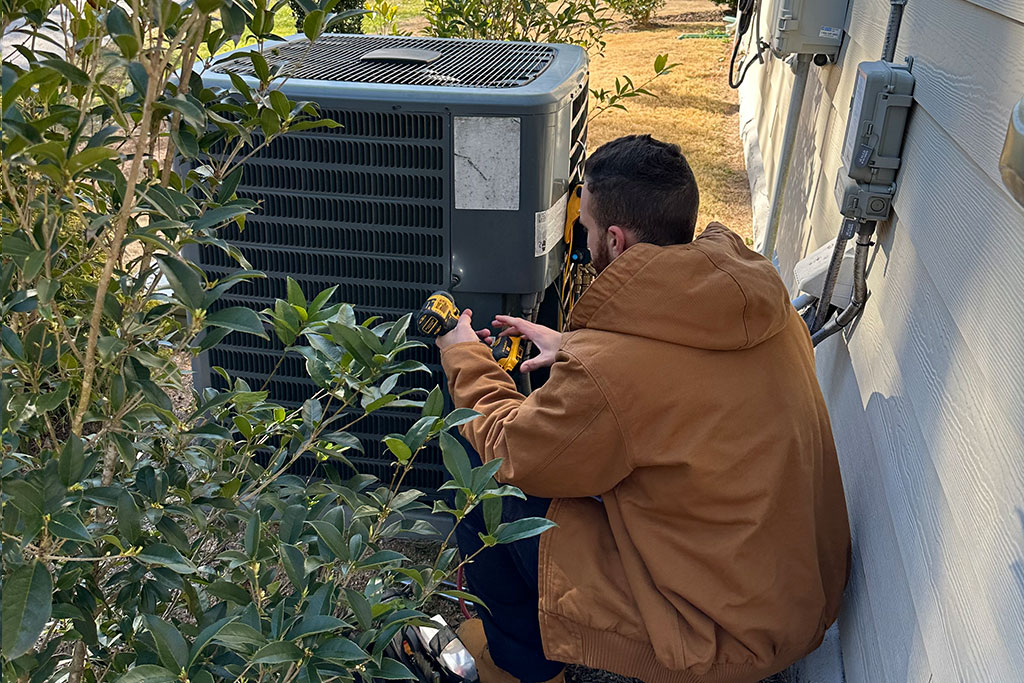
Air Conditioning System
Here at Triangle Backflow, Heating & Air, we understand the importance of keeping your home ..
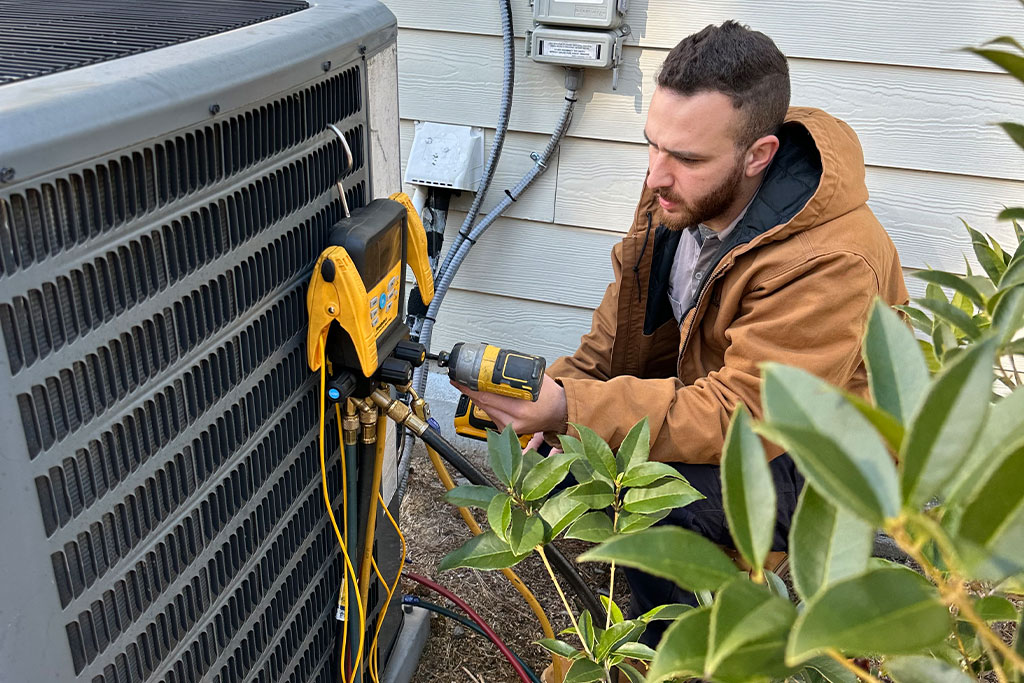
Service & Repair
Here at Triangle Backflow, Heating & Air, we understand the importance of keeping your home cool during ..

Maintenance
The best way to ensure a long healthy life for your HVAC system is to have it cleaned and inspected twice a year.
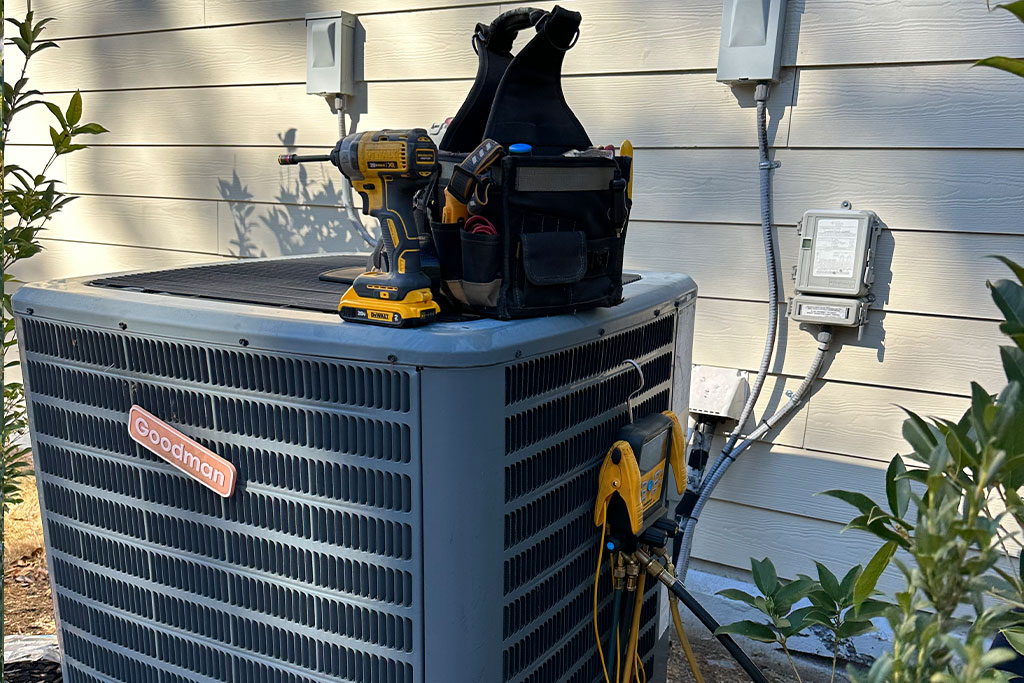
Replacement
If your A/C system is not operating properly, it may be that it is time to replace it all together.